Why This Matters
Understanding shipping terms is one of the first steps toward a successful international purchase. Among all Incoterms used in global trade, FOB (Free On Board) remains one of the most common arrangements for bulk agricultural commodities, including Indonesian spices.
If this is your first purchase from Indonesia, understanding FOB Jakarta will help you avoid misunderstandings, unexpected costs, and delays during shipment.
Many first-time buyers assume FOB includes shipping costs all the way to the destination port. This is incorrect.
Misunderstanding shipping responsibilities can lead to unnecessary expenses, scheduling issues, and disputes during the export process.
A clear understanding of FOB allows both buyer and exporter to coordinate documentation, logistics, and vessel booking efficiently.
What Does FOB Mean?
FOB (Free On Board) is an internationally recognized Incoterm published by the International Chamber of Commerce (ICC).
Under FOB, the seller is responsible for preparing the goods, completing export customs formalities, transporting the cargo to the agreed loading port, and loading the shipment onto the buyer's nominated vessel.
Once the cargo has been loaded on board, responsibility transfers from the seller to the buyer.
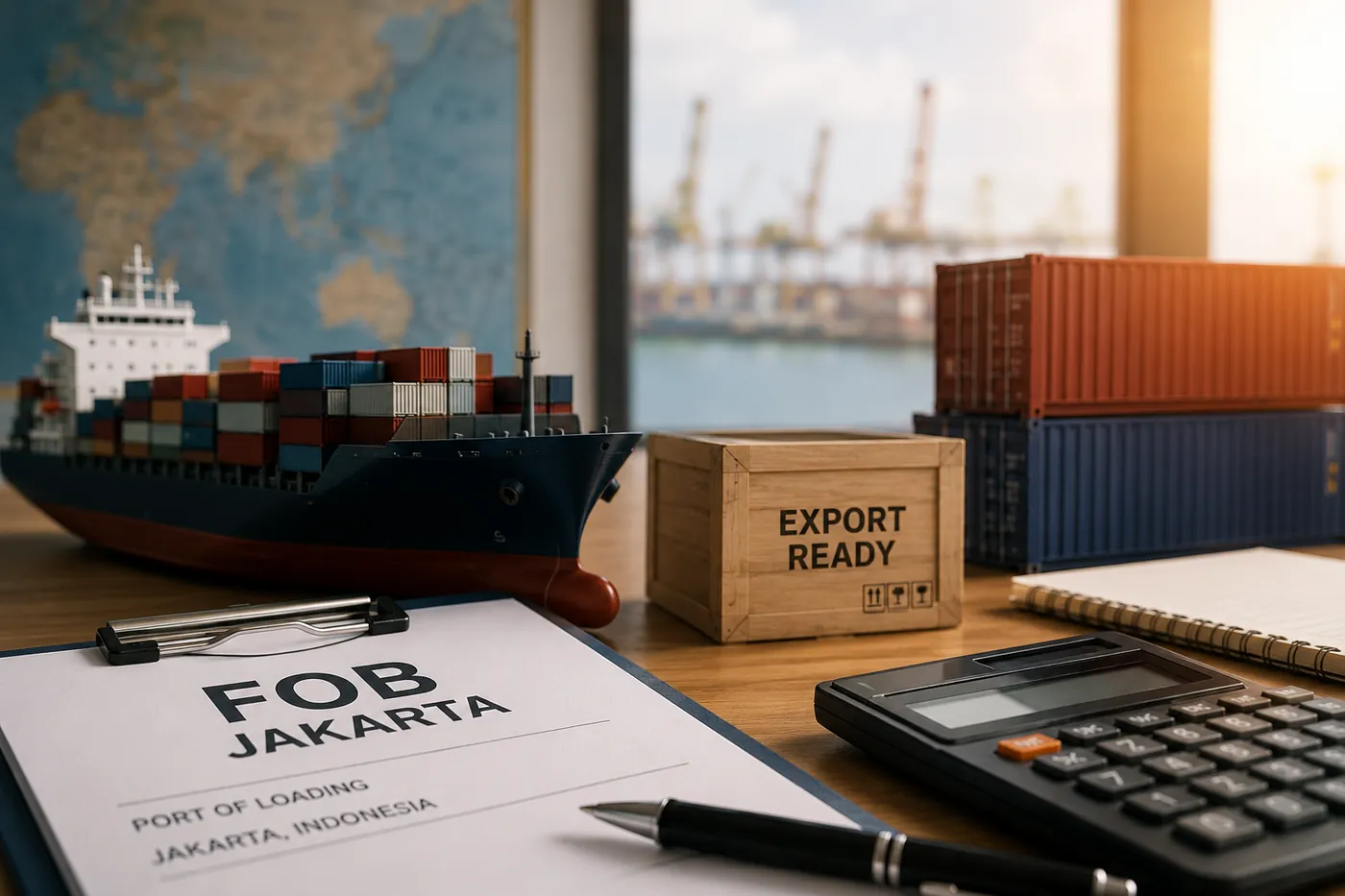
For IndoSpiceHub shipments, the agreed loading port is typically Port of Jakarta, unless another Indonesian port has been specified during quotation.
Seller Responsibilities Under FOB
The exporter is responsible for every activity leading up to vessel loading.
Typical responsibilities include:
- Product sourcing
- Quality inspection
- Cleaning and sorting
- Export packaging
- Pallet preparation (when required)
- Warehouse storage before shipment
- Export customs clearance
- Transport from warehouse to port
- Terminal handling prior to loading
- Loading goods onto the nominated vessel
The exporter must ensure that the shipment complies with the agreed product specifications and packaging requirements before cargo is handed over.
Buyer Responsibilities Under FOB
Once cargo has been loaded onto the vessel, responsibility shifts to the buyer.
Typical buyer responsibilities include:
- Booking ocean freight
- Selecting the shipping line
- Marine cargo insurance
- Destination terminal charges
- Import customs clearance
- Import duties and taxes
- Inland transportation after arrival
- Local warehousing and distribution
Because freight arrangements remain under buyer control, FOB provides flexibility when buyers already have preferred freight forwarders or negotiated shipping contracts.
Why Many Importers Prefer FOB
FOB remains one of the most widely used Incoterms for spice exports because it creates a clear division of responsibilities.
Advantages include:
- Transparent pricing
- Flexible freight selection
- Easier comparison between suppliers
- Better control over international shipping costs
- Suitable for experienced importers managing multiple suppliers
For repeat buyers importing from several countries, FOB often simplifies freight consolidation and scheduling.
FOB vs CIF
| Item | FOB | CIF |
|---|---|---|
| Export customs | Seller | Seller |
| Loading onto vessel | Seller | Seller |
| Ocean freight | Buyer | Seller |
| Marine insurance | Buyer | Seller |
| Import customs | Buyer | Buyer |
| Destination charges | Buyer | Buyer |
Choosing between FOB and CIF depends on your purchasing strategy, logistics capability, and preferred level of shipping control.
Export Process Under FOB
A typical IndoSpiceHub shipment follows these stages:
- Product specification confirmed
- Sample approval (if required)
- Production scheduling
- Quality inspection
- Sorting and cleaning
- Export packaging
- Pallet preparation
- Export documentation
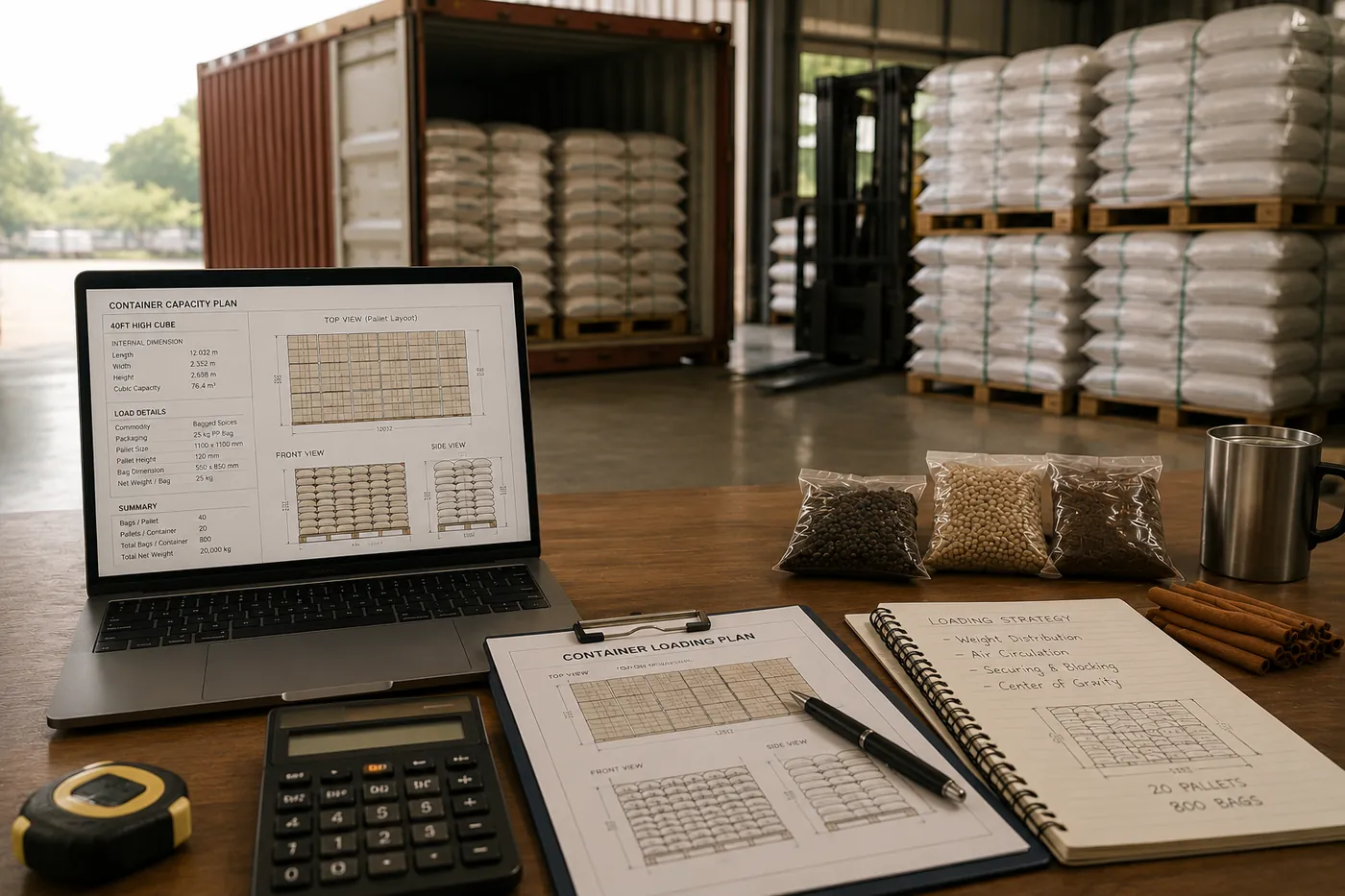
- Container loading
- Vessel departure
Following the same controlled workflow helps maintain consistent quality across every shipment.
Export Insight
For buyers purchasing spices from multiple Indonesian suppliers, FOB can simplify shipment planning because freight arrangements remain under one logistics partner chosen by the buyer.
This often provides greater flexibility when coordinating container schedules and freight costs.
Common Buyer Mistakes
Assuming FOB Includes Ocean Freight
FOB pricing ends once the cargo has been loaded onto the vessel.
Ocean freight is arranged separately by the buyer.
Not Confirming the Loading Port
Always verify whether the quotation specifies Jakarta or another Indonesian port.
Changing the loading port may affect inland transportation costs.
Ignoring Marine Insurance
Under FOB, cargo insurance is generally arranged by the buyer.
Insurance should be considered before vessel departure.
Booking the Vessel Too Late
Production schedules and vessel schedules should be coordinated early to avoid unnecessary storage or demurrage costs.
Assuming Every Supplier Uses the Same Interpretation
Always specify the agreed Incoterms version (such as Incoterms® 2020) in purchase documents to prevent misunderstandings.